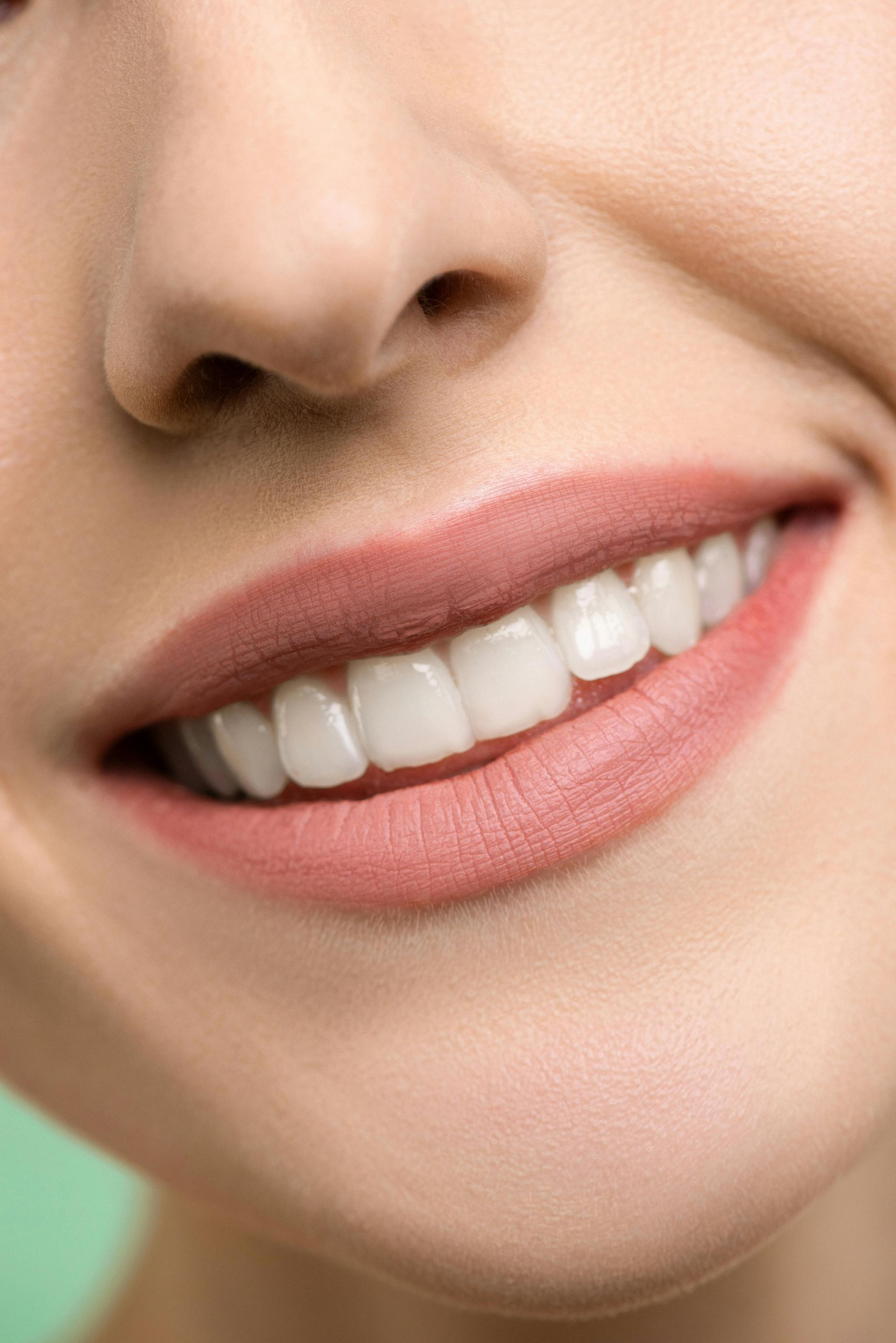

Does Teeth Whitening Hurt? Korean Clinics vs Overseas Clinics
Teeth whitening itself usually isn’t painful, but sensitivity or mild discomfort is common — especially during or shortly after treatment. Whether you get whitening in Korea or overseas, the experience depends on the method, your sensitivity, and how well the procedure is managed by the dental team.
Here’s a practical breakdown of what you need to know 👇
Why Sensitivity Happens
Whitening works by allowing peroxide-based gel to penetrate enamel and break up stain molecules. This process can temporarily expose dentin or nerve endings, which causes sensitivity.
Common triggers include:
🔹 Cold drinks or air right after treatment
🔹 Higher peroxide concentration
🔹 Thinner enamel or gum recession
🔹 Frequent whitening or misuse of strong products
Sensitivity is usually temporary — lasting hours to a few days — and not a sign of permanent harm.
Pain & Sensitivity in Korean Clinics
☑ Professional Supervision
Korean dental clinics tend to emphasize controlled, dentist-supervised whitening. Before whitening begins, dentists often check enamel, gum health, and pre-existing sensitivity — which reduces unwanted discomfort.
☑ Desensitizing Measures
Many clinics in Seoul and other cities use:
• Desensitizing gels before/after whitening
• “Cool” LED or laser light systems to limit heat
• Shorter activation cycles to reduce nerve irritation
These approaches help keep discomfort mild and short-lived.
☑ Typical Experience
Most patients in Korean clinics report:
✔ Slight tingling or pressure — not sharp pain
✔ Minor sensitivity for 24–48 hours after treatment
✔ Easier handling of sensitivity with dentist guidance
Because clinics are used to international patients, many also explain what to expect ahead of time and offer sensitivity tips.
Pain & Sensitivity in Overseas Clinics
Overseas experiences — whether in the U.S., Europe, Japan, or elsewhere — vary more widely because of differences in practice style, technology, and dentist approach.
Factors That Affect Comfort Overseas
Technology Used
Some clinics use strong light/laser systems; others rely only on peroxide gel. Heat or intense activation can increase sensitivity if not managed carefully.
Dentist Technique
Clinics with strong cosmetic focus and strict protocols tend to manage sensitivity better. In less regulated or lower-volume practices, whitening may be rushed or less personalized.
Patient Communication
Clear instructions about sensitivity triggers and aftercare make a big difference in comfort.
Typical Overseas Experience
People often report:
✔ Mild to moderate sensitivity right after treatment
✔ Discomfort more noticeable if peroxide strength is high
✔ Less predictable aftercare guidance in some practices
Often, sensitivity is still temporary but can feel stronger if not proactively managed.
Korean Clinics vs Overseas: Pain Comparison
Korean Clinics
✅ Pre-treatment check for sensitivity
✅ Frequent use of desensitizing products
✅ Modern LED/laser systems designed to minimize heat
✅ Clear patient guidance before and after whitening
Overseas Clinics
⚠ Variable protocols depending on region and practice
⚠ Sensitivity management depends on dentist style
⚠ Technology may vary from basic to advanced
⚠ Some places may not customize based on sensitivity history
Bottom Line:
Both Korea and overseas clinics can deliver safe whitening. However, many patients report
less discomfort and better sensitivity control in clinics that focus on cosmetic dentistry protocols — something Korean whitening clinics often emphasize due to high procedure volume and well-developed cosmetic standards.
Does the Whitening Method Affect Pain?
Yes. Here’s how common methods compare:
In-Office Professional Whitening
✨ Fast results
✨ Dentist supervision
⚡ Can temporarily increase sensitivity (but clinics usually manage this)
LED/Laser-Assisted Whitening
✨ Often more comfortable than older light systems
✨ “Cool” activation reduces heat
⚡ Mild tingling possible
Take-Home Dentist-Supervised Kits
✨ Gentler due to lower peroxide
✨ Lower chance of acute sensitivity
⚡ Results come slower
DIY/Over-the-Counter Strips & Gels
⚠ No supervision → higher risk of misuse
⚠ More gum irritation if trays/strips don’t fit well
⚠ Sensitivity can be unpredictable
Tips to Reduce Discomfort
- Tell your dentist if you have sensitive teeth before treatment
- Use desensitizing toothpaste for a week before whitening
- Avoid very cold or hot drinks for 24–48 hours after treatment
- Rinse with fluoride mouthwash to calm sensitivity
- Ask for take-home gels to maintain results gently
When to Contact Your Dentist
Contact your dentist if:
📍 Sensitivity worsens after 3–4 days
📍 Pain is sharp or radiating
📍 Gums stay irritated or sore
📍 Whitening triggers lingering discomfort
These can signal a need for adjustment or dental evaluation.
Final Thoughts
Overall,
teeth whitening should not hurt, and most discomfort is mild and temporary. Korean clinics often provide
excellent sensitivity control and patient education, which many patients find makes the experience more comfortable than some overseas options.