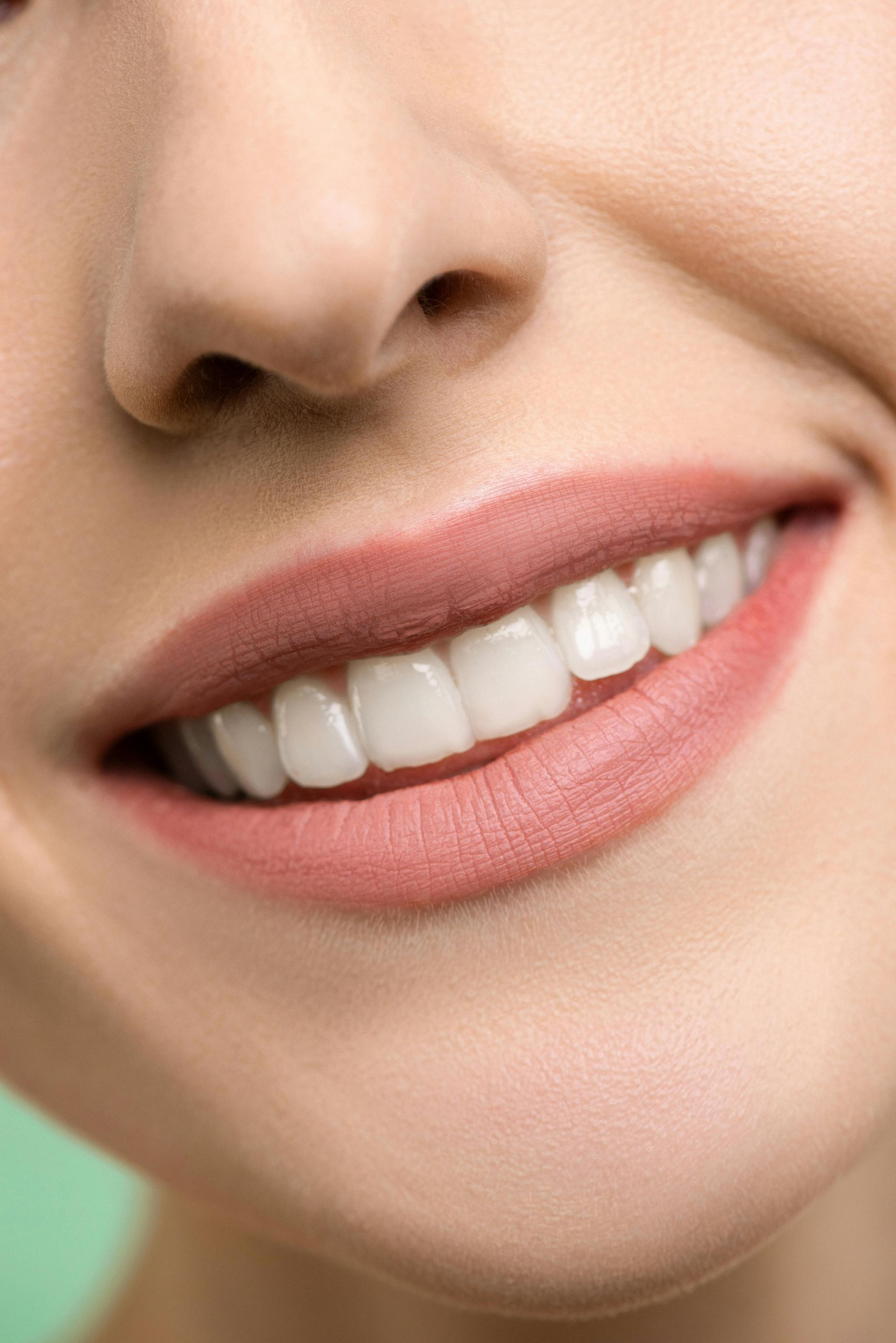

Is Repeated Teeth Whitening Safe? Korean Dentist Insights
Teeth whitening delivers fast cosmetic results, but many patients ask an important follow-up question: Is it safe to whiten your teeth repeatedly?
According to Korean dentists, the answer is yes — when done correctly and in moderation. Problems arise not from whitening itself, but from how often, how strong, and how unsupervised the treatments are.
Here’s how dentists in Korea typically explain repeated whitening safety.
How Teeth Whitening Actually Works
Professional whitening uses peroxide-based agents to break down stain molecules within enamel. This process does not permanently remove enamel, but it does temporarily increase tooth porosity, which is why teeth can feel sensitive afterward.
Given enough recovery time, enamel rehydrates and stabilizes naturally.
Is Repeated Whitening Safe for Enamel?
Yes, with proper spacing and supervision.
Korean dentists generally agree that:
- Healthy enamel can tolerate repeated whitening
- Whitening does not thin enamel when performed professionally
- Damage risk increases mainly with overuse or improper DIY whitening
Most concerns about enamel damage come from frequent unsupervised at-home products, not clinic-based whitening.
How Often Do Korean Dentists Recommend Whitening?
While recommendations vary by patient, common guidelines in Korea are:
- Professional in-office whitening: once every 12–24 months
- Dentist-supervised home trays: light touch-ups every 6–12 months
- OTC whitening strips/gels: only occasionally, not continuously
Whitening more often than this provides diminishing returns and increases sensitivity risk.
What Happens If You Whiten Too Often?
Over-whitening can lead to temporary but uncomfortable side effects, including:
- Increased tooth sensitivity
- Gum irritation or burning sensation
- Chalky or translucent-looking enamel
- Uneven whitening results
These effects are usually reversible, but they signal that whitening should be paused.
Why Professional Whitening Is Safer Than DIY Repetition
Korean dentists strongly emphasize that professional whitening is safer for repeated use than frequent DIY products.
Professional whitening includes:
- Enamel and gum health checks before treatment
- Controlled whitening strength
- Gum protection barriers
- Desensitizing agents before or after treatment
DIY whitening lacks this oversight and is the most common cause of whitening-related discomfort.
Sensitivity: The Most Common Concern
Sensitivity is the main limiting factor for repeated whitening — not enamel damage.
Korean clinics often manage sensitivity by:
- Reducing peroxide concentration
- Shortening whitening cycles
- Using desensitizing gels
- Recommending gradual home maintenance instead of repeat in-office sessions
Patients with naturally sensitive teeth may still whiten safely, but less frequently and with gentler protocols.
Does Age or Tooth Condition Matter?
Yes. Dentists consider repeated whitening safe only if:
- Teeth are free of untreated cavities
- Gums are healthy
- Enamel is not excessively worn
- There is no severe gum recession
Patients with crowns, veneers, or bonding must also consider color mismatch, since restorations do not whiten.
A Safe Long-Term Whitening Strategy (Korean Approach)
Many Korean dentists recommend this balanced plan:
- One professional whitening session
- Proper aftercare and stain-prevention habits
- Occasional touch-ups rather than full repeat treatments
- Avoid continuous DIY whitening cycles
This approach protects enamel while keeping teeth consistently bright.
Myths About Repeated Teeth Whitening
Myth: Whitening permanently weakens teeth
Reality: Enamel remains structurally intact when whitening is done correctly
Myth: More whitening always equals whiter teeth
Reality: Teeth have a natural color limit; over-whitening doesn’t exceed it
Myth: Sensitivity means damage
Reality: Sensitivity is usually temporary and reversible
When to Stop or Delay Whitening
Korean dentists advise postponing whitening if:
- Sensitivity lasts longer than a few days
- Gums are inflamed or bleeding
- Teeth feel painful, not just sensitive
- You’re whitening more often without visible improvement
A dental checkup should come before another whitening cycle.
Final Thoughts
Repeated teeth whitening is safe when done responsibly.
Korean dentists emphasize moderation, professional supervision, and individualized planning — not frequent whitening.
- The goal is maintenance, not constant re-whitening. When spaced properly and combined with good oral hygiene, repeated whitening can be both safe and effective for many years.