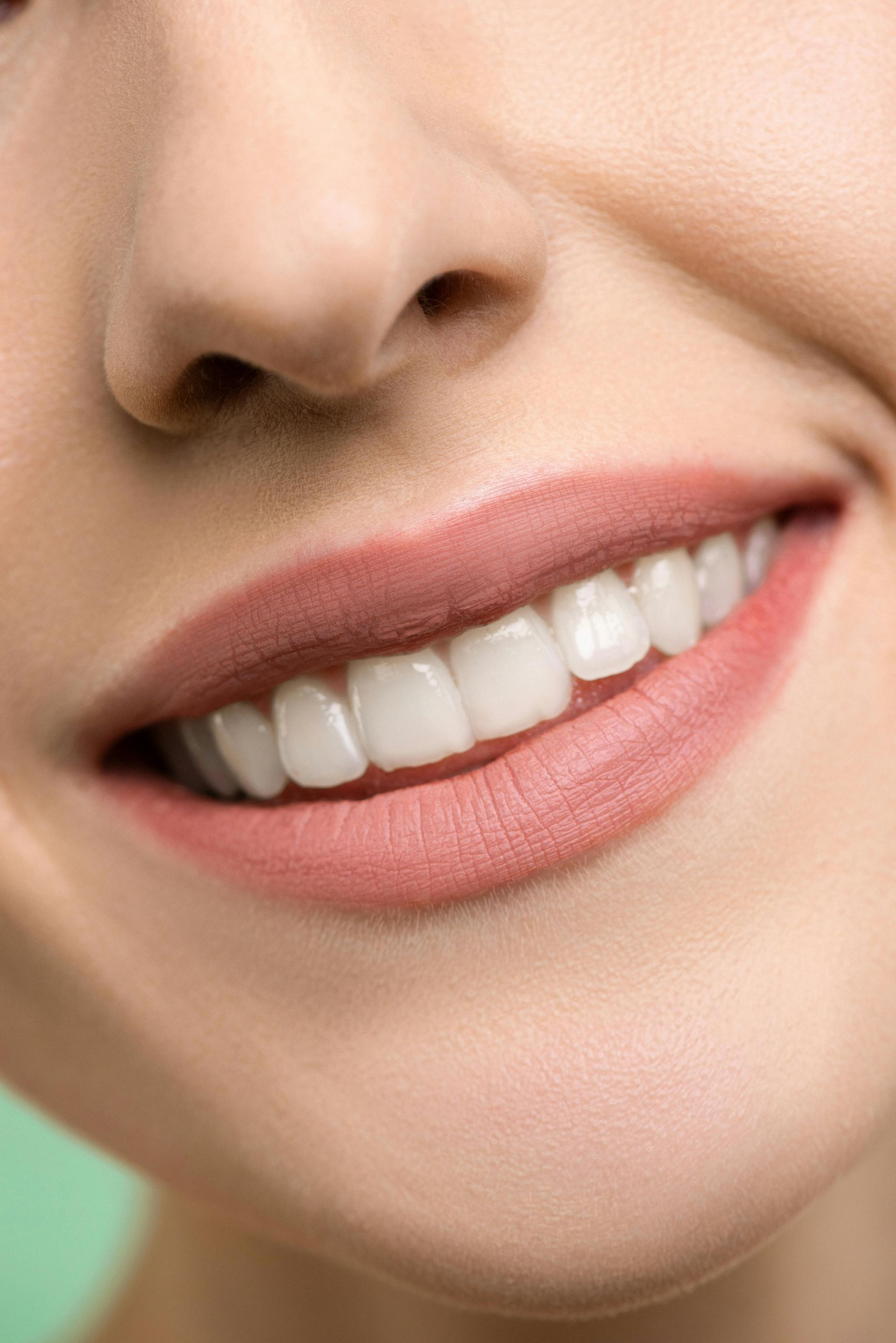

Is Teeth Whitening Safe for Enamel? Korean Clinic Standards
One of the most common concerns patients have before whitening is whether it can damage tooth enamel. According to Korean dental professionals, teeth whitening is considered safe for enamel when performed under proper clinical standards. Problems usually arise not from whitening itself, but from how often, how strong, and how unsupervised the treatment is.
Here’s how Korean dental clinics approach enamel safety.
What Enamel Is (and Why People Worry About It)
Enamel is the hard, protective outer layer of your teeth. It does not regenerate, which is why patients worry about anything that might weaken it.
Professional whitening works by breaking down stain molecules inside enamel — not by stripping enamel away. This distinction is critical to understanding why whitening can be safe when done correctly.
Does Whitening Actually Remove Enamel?
No. Professional whitening does not remove or thin enamel.
Korean dentists consistently explain that:
- Whitening agents penetrate enamel to oxidize stains
- The enamel structure remains intact
- Enamel hardness returns to normal after rehydration
Scientific studies and long-term clinical use support that professionally supervised whitening does not cause permanent enamel damage.
Why Sensitivity Is Often Misinterpreted as Damage
Temporary sensitivity is common after whitening and often mistaken for enamel damage.
This happens because:
- Whitening temporarily increases enamel permeability
- Nerve endings respond more easily to cold or air
- Enamel rehydrates and stabilizes within days
Korean clinics typically warn patients in advance that sensitivity is temporary and reversible, not a sign of structural harm.
Korean Clinic Standards for Enamel Safety
Korean dental clinics follow strict protocols to protect enamel before, during, and after whitening.
Pre-Treatment Evaluation
Before whitening, dentists check for:
- Cavities
- Gum inflammation
- Cracks or weakened enamel
- Existing restorations
Whitening is postponed if enamel or gum health is compromised.
Controlled Whitening Strength
Professional whitening in Korea uses regulated peroxide concentrations, adjusted based on:
- Enamel thickness
- Tooth shade
- Sensitivity history
This prevents overexposure that could stress enamel.
Gum and Tooth Protection
Clinics use:
- Protective gum barriers
- Lip and cheek isolation
- Targeted gel placement
This prevents chemical irritation and protects surrounding tissues.
Desensitizing Protocols
Many clinics apply:
- Desensitizing gels
- Fluoride treatments
- Remineralizing agents
These help enamel recover faster after whitening.
Why Professional Whitening Is Safer Than DIY Products
Korean dentists frequently point out that most enamel problems linked to whitening come from over-the-counter misuse, not professional care.
DIY whitening risks include:
- Overuse of strong products
- Poorly fitting trays or strips
- Excessive abrasion from whitening toothpastes
- No enamel or gum evaluation beforehand
Professional whitening avoids these risks through supervision and customization.
How Often Is It Safe to Whiten?
Based on Korean clinic guidelines:
- In-office whitening: once every 12–24 months
- Dentist-supervised home touch-ups: every 6–12 months if needed
- Continuous DIY whitening: not recommended
More frequent whitening does not improve results and increases sensitivity risk.
Who Should Be More Careful?
Extra caution is needed if you have:
- Naturally thin enamel
- Gum recession
- Chronic tooth sensitivity
- Multiple crowns or veneers
In these cases, Korean dentists often recommend gentler methods or longer intervals between whitening sessions.
Myths About Whitening and Enamel
Myth: Whitening weakens teeth permanently
Reality: Enamel remains structurally intact when whitening is done properly
Myth: Sensitivity means enamel loss
Reality: Sensitivity is temporary and reversible
Myth: More whitening equals better results
Reality: Teeth have a natural whitening limit
Final Thoughts
- According to Korean clinic standards, teeth whitening is safe for enamel when performed professionally and in moderation. Clinics focus on prevention, evaluation, and recovery — not aggressive whitening.