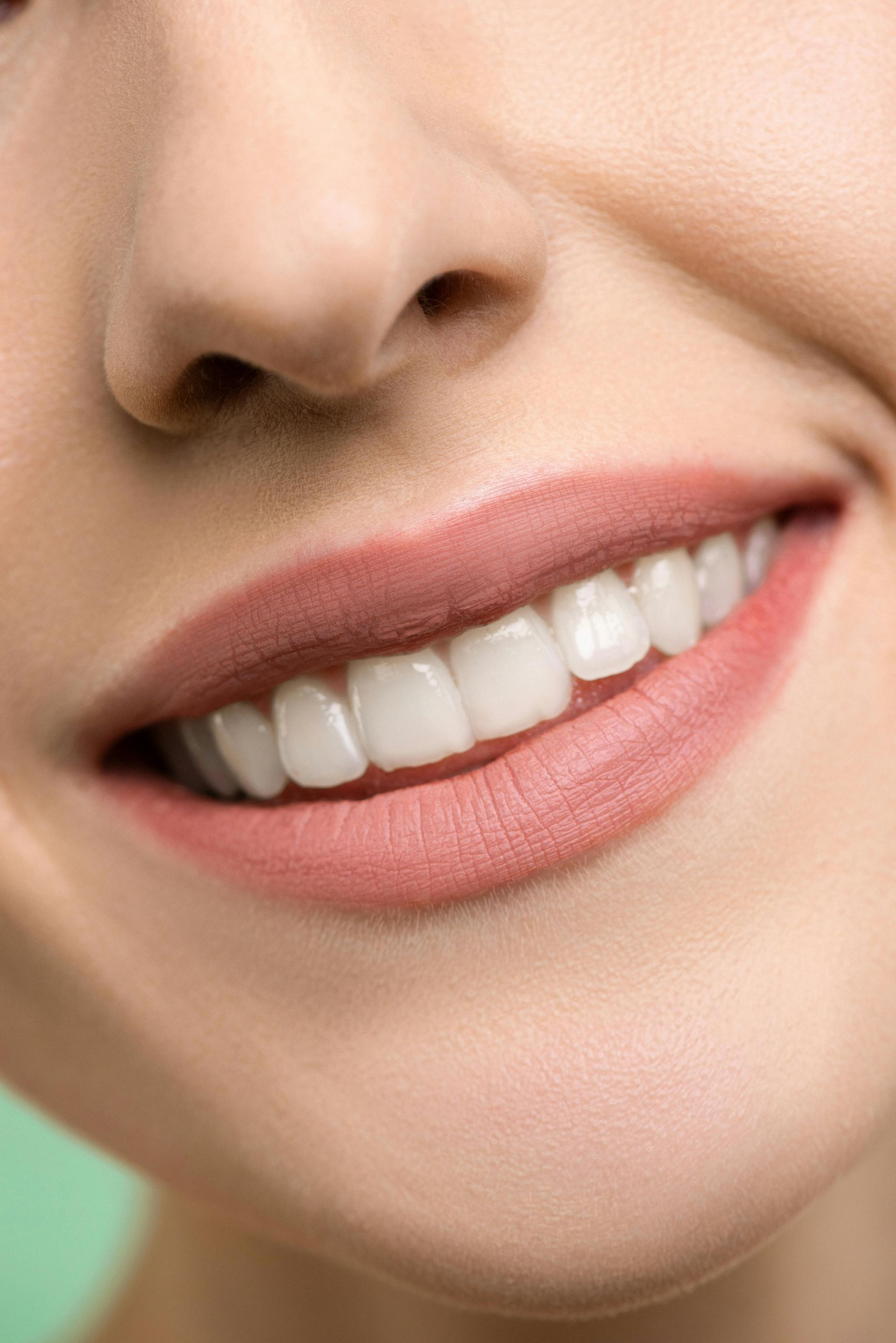

Who Should NOT Get Teeth Whitening? Korean Dentist Guidelines
Teeth whitening is widely considered safe and effective, but it is not suitable for everyone. Korean dentists emphasize that whitening should only be performed when oral health conditions allow it. In certain situations, whitening may be ineffective, uncomfortable, or even risky if done without proper evaluation.
Below are the key groups Korean dentists typically advise against teeth whitening, along with the reasons why.
People with Untreated Cavities or Gum Disease
Teeth whitening should never be done on unhealthy teeth or gums.
If you have:
- Untreated cavities
- Gum inflammation or bleeding
- Periodontal (gum) disease
Whitening agents can penetrate exposed areas and cause sharp pain, nerve irritation, or worsening inflammation. Korean clinics always recommend treating these issues first before considering cosmetic whitening.
People with Severe Tooth Sensitivity
If your teeth already react strongly to:
- Cold drinks
- Air
- Sweet or acidic foods
You may not be a good candidate for whitening, especially aggressive in-office treatments. Whitening temporarily increases enamel permeability, which can intensify sensitivity.
Korean dentists may suggest delaying whitening, using gentler methods, or avoiding it altogether if sensitivity is chronic.
People with Thin or Worn Enamel
Whitening does not remove enamel, but it relies on healthy enamel to work safely and evenly.
Patients with:
- Naturally thin enamel
- Enamel erosion from acid reflux or over-brushing
- Excessive enamel wear
may experience discomfort or uneven whitening results. In these cases, Korean dentists often recommend alternative cosmetic options instead of whitening.
People with Extensive Crowns, Veneers, or Fillings
Teeth whitening only works on natural teeth.
If you have:
- Front-tooth crowns
- Veneers
- Large composite fillings
Whitening can cause color mismatch, making restorations look darker compared to natural teeth. Korean dentists usually advise against whitening unless you plan to replace restorations afterward.
Pregnant or Breastfeeding Patients
Although there is no strong evidence proving whitening is harmful during pregnancy or breastfeeding, Korean dental guidelines generally recommend postponing elective cosmetic procedures during this period.
This is a precautionary approach to avoid unnecessary chemical exposure when treatment is not medically essential.
Children and Young Teenagers
Teeth whitening is not recommended for children and is usually avoided in young teenagers.
Reasons include:
- Incomplete enamel maturation
- Larger pulp chambers (nerves closer to the surface)
- Higher sensitivity risk
Most Korean dentists recommend waiting until the late teens or adulthood before considering whitening.
People with Intrinsic or Medication-Related Discoloration
Not all discoloration responds well to whitening.
Patients with stains caused by:
- Certain antibiotics (e.g., tetracycline)
- Tooth trauma
- Developmental enamel defects
may see limited or uneven results. In these cases, Korean dentists often suggest veneers, bonding, or other cosmetic solutions instead of repeated whitening attempts.
People Expecting Extreme or “Hollywood White” Results
Teeth have a natural whitening limit.
If expectations are unrealistic, repeated whitening can lead to:
- Increased sensitivity
- Chalky or translucent enamel appearance
- Disappointment rather than better results
Korean dentists emphasize realistic shade goals and may advise against whitening if expectations exceed what teeth can safely achieve.
People Who Overuse DIY Whitening Products
Patients who frequently use:
- Whitening strips
- Strong gels
- Abrasive whitening toothpaste
may already have enamel stress or irritation. Whitening again without recovery time can worsen sensitivity and enamel fatigue.
Korean clinics often recommend stopping all whitening products before reassessing suitability.
What Korean Dentists Recommend Instead
If whitening is not suitable, dentists may suggest:
- Professional cleaning and polishing
- Remineralizing or desensitizing treatments
- Cosmetic bonding
- Veneers for severe discoloration
A proper consultation helps identify the safest alternative.
Final Thoughts
- Teeth whitening is effective and safe for many people — but not everyone should undergo it. Korean dentist guidelines prioritize oral health, enamel safety, and realistic outcomes over aggressive cosmetic whitening.